 By Bemi Brooks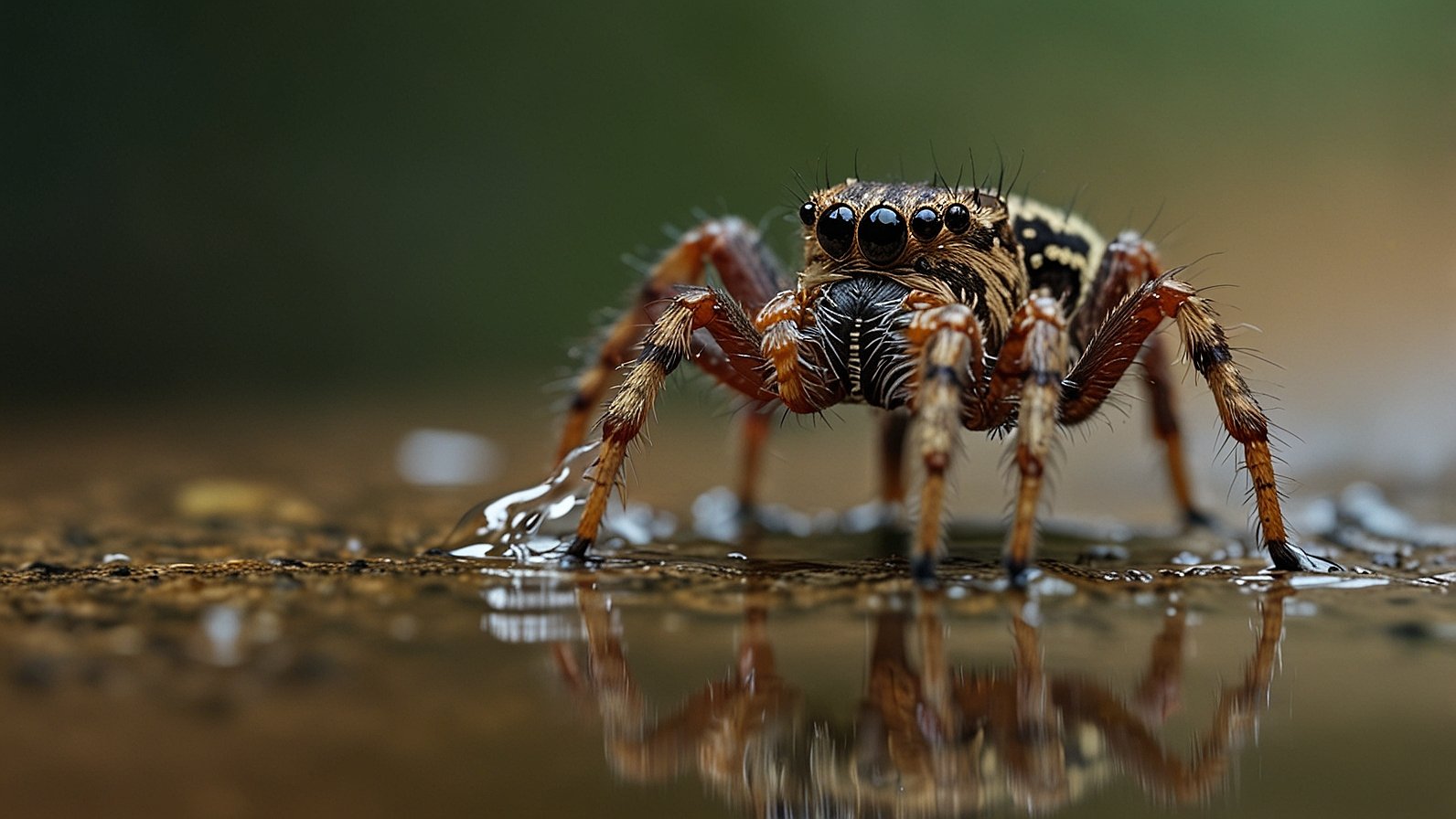
Ever been washing dishes late at night, only to spot a small house spider perched on the edge of the sink? Your first thought might be, “Is it… drinking?” Or maybe you’ve heard the creepy old tale that spiders sneak up on sleeping people to sip from their mouths. Let’s settle this once and for all: Do spiders drink water? The answer is a fascinating and clear yes—but how they do it is where the real story begins. Forget the myths; the reality of spider hydration is a brilliant lesson in survival, showcasing some ingenious methods that might just change how you see these common yet misunderstood creatures.
The Mouthful of Myths: What Spiders Definitely Don’t Do
Let’s clear the web, so to speak, right away. One of the most persistent urban legends is that spiders seek out sleeping humans to drink from their eyes or mouths. It’s a disturbing image that’s fueled many a nightmare, but here’s the comforting truth: there is zero scientific evidence for this behavior. Spiders are fundamentally cautious of large animals (like us!) and have no biological drive or need to perform such a risky act. Their hydration sources are far more mundane and accessible. Debunking this myth is our first step in understanding the genuinely intriguing, and far less horrifying, ways spiders meet their needs.
So, How Do Spiders Drink Water? A Toolkit for Hydration
Spiders aren’t like a dog lapping from a bowl. They’re sophisticated liquid diners with a multi-pronged approach. Think of it as their hydration portfolio—never relying on just one source.
1. The Direct Approach: Sipping from the Source
Yes, spiders drink free-standing water directly. They do it more often than you might think. In nature, you might see a spider leaning down to drink a dewdrop clinging to a leaf or a droplet suspended in its own web. This web silk isn’t just for catching dinner; it’s also a ingenious moisture trap, collecting humidity from the air. In your home, a spider on the sink or bathtub edge is almost certainly taking a drink.
- How it works: A spider’s mouth is located right below its eyes, between its chelicerae (those fang-tipped appendages). They have a short, straw-like structure called a labium and use pumping actions in their foregut to suck up liquid. It’s a delicate, deliberate process.
2. The Gourmet Method: Fluids from Their Prey
This is a primary hydration source for many species. When a spider injects venom into an insect, it also pumps in digestive enzymes that turn the prey’s insides into a liquid soup. The spider then sucks up this nutrient-rich fluid. It’s a complete meal and a refreshing drink all in one. This is why a well-fed spider in your home might not be seen seeking water as often—it’s getting its moisture from its meals.
3. The Creative Survivor’s Trick: Capillary Action
This is a lesser-known but brilliant adaptation, especially in ground-dwelling (cursorial) spiders like wolf spiders. Some species can press their mouths against damp soil or a moist surface. They can then take advantage of capillary action—the same force that draws water up a paper towel—to pull minute water molecules directly into their systems. It’s a vital trick in arid environments.
Let’s break it down in a simple table:
| Method | How It Works | Common In… |
|---|---|---|
| Direct Drinking | Sucking up droplets from surfaces, webs, or containers. | Almost all spiders, especially in captivity. |
| Prey Fluids | Consuming the liquefied insides of their captured insects. | All hunting and web-weaving spiders. |
| Capillary Uptake | Drawing moisture directly from damp surfaces via physical contact. | Many ground-dwelling and burrowing species. |
Caring for a Captive Spider: A Quick Hydration Guide
If you keep tarantulas or other spiders as pets, you’ve probably wondered about their water needs. Here’s the simple, low-stress approach:
- Always Provide Access: A shallow, sturdy water dish (like a bottle cap for smaller spiders) is essential. It prevents dehydration and helps maintain humidity.
- Misting Works Wonders: For smaller species or juveniles, lightly misting one side of their enclosure with dechlorinated water a few times a week is perfect. They’ll drink the tiny droplets.
- The Sponge is a No-Go: While old guides suggested wet sponges, they can harbor harmful bacteria. A clean water dish or misting is far safer and more effective.
- Watch for Thirst: A dehydrated spider might appear shrunken or lethargic. Offering a water droplet on a soft brush near its mouthparts can sometimes help in urgent cases.
3 Actionable Steps to Become a Spider Hydration Pro
- Observe, Don’t Assume: Next time you see a spider near water, pause and watch. You’re likely witnessing the simple, direct answer to “do spiders drink water?”—no myth, just nature.
- Provide a Pit Stop: If you’re spider-friendly, leaving a few droplets in the sink or a shallow dish outside can be a lifesaver for these tiny creatures, especially in dry weather.
- Spread the Truth: Gently correct the mouth-drinking myth when you hear it. Sharing the real, fascinating facts helps reduce unnecessary fear and promotes respect for their clever adaptations.
Wrapping It Up: Sipping on Survival
From delicate dewdrops to bug smoothies and clever capillary tricks, spiders have mastered the art of hydration in a world where every drop counts. They are resourceful, efficient, and utterly uninterested in our bodily fluids. Understanding this not only satisfies our curiosity but also connects us to the intricate, often unnoticed, rhythms of life right in our own homes and gardens. So, the next time you see that spider on the sink, you’ll know it’s just getting a drink—something we all need to do.
What about you? Have you ever clearly seen a spider taking a drink? Share your story in the comments below!
You May Also Like: How to Use Smoothiepussit: Easy Smoothie Pouch Recipes & Prep Tips
FAQs
Q: How often do spiders need to drink water?
A: It varies by species, size, and environment. A large tarantula in a humid tank might drink from its dish once a week, while a tiny spider in a dry house might seek moisture more frequently. Many get most of their needs from food.
Q: Can spiders drown in water?
A: Yes, they can. While some are surprisingly resilient, most spiders are light and cannot break the water’s surface tension easily. A deep, smooth-sided sink or pool can be a death trap, which is why they often appreciate shallow dishes or damp surfaces.
Q: Do all spiders spin webs to catch water?
A: No, not all. While many web-weavers use their silk to collect dew, hunting spiders (like wolf spiders or jumping spiders) rely on finding water directly or getting it from their prey.
Q: Should I put out water for garden spiders?
A: It’s a kind gesture! A shallow dish with a few stones or marbles (for them to climb on and avoid drowning) can provide valuable hydration for garden spiders and beneficial insects.
Q: What does it mean if I see a spider in my bathtub or sink often?
A: It’s usually one of two things: they’re trapped after falling down the smooth sides, or they’re actively seeking moisture. That area is often the most humid spot in a dry house.
Q: Can spiders drink tap water?
A: For captive spiders, it’s best to use dechlorinated or spring water. The chlorine and additives in tap water can be harmful to them over time, just as they can be to small fish or amphibians.
Q: How long can a spider live without water?
A: This depends heavily on the species and conditions. Some hardy tarantulas can survive weeks, while small, delicate spiders in a hot, dry environment may only last a few days. Access to water is crucial for their long-term health.